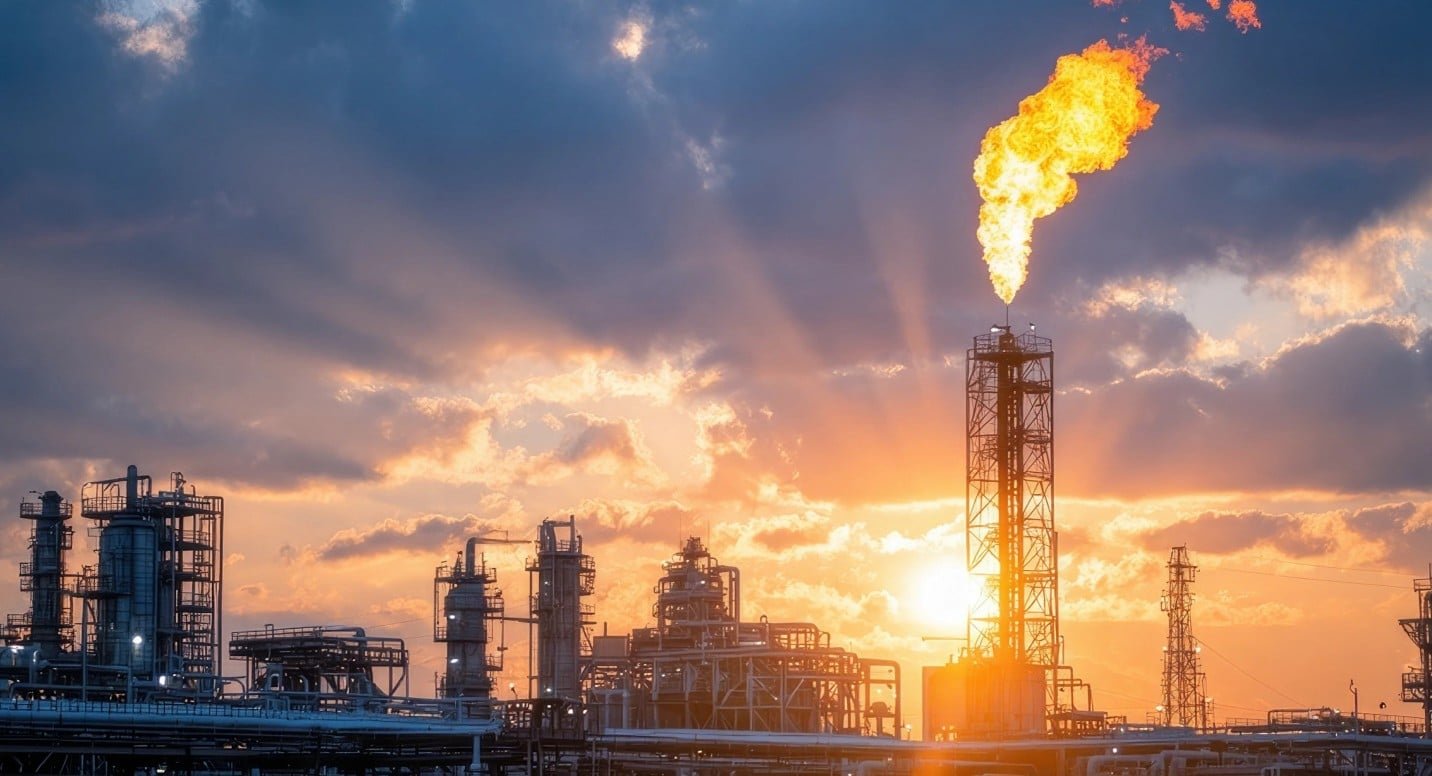
Nigeria’s gas flare commercialisation framework has entered its execution phase, with 28 permits issued and stronger NUPRC enforcement expected in 2026. This article examines the legal framework, NGFCP progress, metering obligations, host community issues,...

Recent geopolitical disruptions, including the 2026 Gulf conflict, highlight the commercial necessity of force majeure clauses in oil and gas agreements. With incidents like the Strait of Hormuz closure and the withdrawal of marine insurance halting exports,...

As International Oil Companies exit Nigeria’s onshore assets, decommissioning and environmental liabilities are emerging as critical deal risks. Under the Petroleum Industry Act 2021, these obligations increasingly “follow the asset,” raising complex...

Carried interest arrangements remain central to Nigeria’s petroleum operations, but their tax treatment is far from uniform. This article examines how structure, particularly equity participation versus service-based roles, determines exposure to Hydrocarbon...

Nigeria’s 2026 Executive Order on oil and gas revenues introduces sweeping fiscal changes aimed at boosting government inflows. However, its tension with the Petroleum Industry Act 2021 raises critical constitutional and operational questions. This piece...

The Presidential Compressed Natural Gas (CNG) Initiative was introduced as a palliative to cushion the effect of petrol subsidy removal. Designed to cut fuel import costs, lower emissions, and create jobs, the program presents opportunities but also faces...

In a bold yet calculated move, the Nigerian government has revised the 2025 Domestic Base Price for natural gas to $2.13/MMBTU. This policy shift highlights the ongoing tension between liberalizing the gas market and protecting domestic industries. Will...

FROM SEIZURE TO SAFEGUARDS: THE LEGAL LANDSCAPE OF EXPROPRIATION OF OIL & GAS INVESTMENTS IN NIGERIA
Expropriation in Nigeria’s petroleum sector poses significant risks for investors. This article explores the legal framework governing government takeovers of private property, highlighting key statutes like the Petroleum Industry Act and the Land Use...

On 29th July 2024, the Nigerian government approved a game-changing directive for the oil industry. Starting October 1st, NNPCL will sell crude oil to local refineries in Naira, a move designed to stabilize fuel prices and ease foreign currency pressures....

Nigeria, a major crude oil producer, is often called a gas province with some oil. Despite vast natural gas resources estimated at over 200 trillion cubic feet, gas revenue lags behind oil. This highlights missed opportunities in revenue and energy development....